
Search %
your brand in the category
in the same category
Let’s take a practical example, don’t worry. Let’s say your brand gets 25,000 searches in a month (a huge success!) and your competitors, all together, get 75,000. Your share of search will be a whopping 25%.
Feeling like a giant already, aren’t you?
Why is it so important? Because organic search is one of the most sincere signals of interest a user can give. People can ignore your ads, scroll past your posts, and delete your emails, but the moment they actively search for your brand on Google, their intent is unmistakable.
In this guide, we will look at share of search in detail: what it is, how it differs from similar metrics (share of voice and market share), what are the most effective ways to measure it with tools like SEO PowerSuite and Google data, and, above all, what concrete strategies to adopt to increase it.
Let’s begin.
Why Share of Search is a fundamental metric
Most business metrics look to the past. Ad spend tells you how much money you’ve invested, not if anyone noticed you. Sales reports? By the time they land on your desk, the market has already changed.
Share of search, on the other hand, offers a forward-looking perspective. It is based on real and current behaviors, is almost impossible to manipulate, and is updated in real time. If people are searching for your brand more than your competitors, it means you are winning the battle for attention now.
Two major changes make it even more relevant today:
- The fragmentation of search. With Google’s AI Overviews and new tools like Perplexity, direct clicks to websites are declining. In this scenario, “branded” searches (those made using the brand name) rise above the noise: if a user searches for you by name, you have already won their attention.
- The rise of AI assistants. Language models rely on popularity signals like mentions and search volume to decide which brands to suggest. Having a high share of search not only benefits you on Google, but it drastically increases your chances of being the answer suggested by AI tools.
For those in SEO, the lesson is clear: share of search is no longer just a visibility metric. It is becoming the “currency” that determines which brands will be promoted by artificial intelligence.
Before we see how to measure and increase it, let’s clarify two concepts with which it is often confused: share of voice and market share.
Share of Search vs. Share of Voice vs. Market Share
Since the names are similar, it’s easy to get them confused. Here’s how to distinguish them:
- Share of Voice (SOV): Measures your visibility compared to that of your competitors. In the past, it almost exclusively indicated the share of advertising spending (paid media). Today, the concept has expanded to include PR, social media presence, and word-of-mouth.
- Share of Search (SoS): Measures how many people take the trouble to search for your brand instead of others in your category. Unlike the money you throw at advertising, this should reflect “real” interest.
- Share of Market (SOM): This is where it gets serious: it’s the slice of the pie you take home in terms of sales. You know, the money. The bottom line that pays the bills.
Basically, it’s a funnel (surprise!): voice creates a vague memory of you → search shows that someone got curious → market confirms if they actually bought.
Now that we’ve cleared this academic hurdle, let’s get down to practical matters.
How to measure your (supposed) share of search
To calculate your share of search, you can use some almost magical tools. An unsolicited piece of advice: only compare yourself with competitors who have a vague idea of who you are. Choose battles you can (maybe) win.
Google Trends
The evergreen Google Trends, the free tool with which you can hurt yourself by comparing your popularity with that of real brands. The procedure is almost foolproof:
- First step (the hardest): open Google Trends.
- Enter your brand name and press Enter. Be brave.
- Use the drop-down menu to select the country of interest. Try to be realistic.
- And now, the grand finale: click on Explore and prepare to discover the truth.
- Add competitors one by one using the + Compare option.
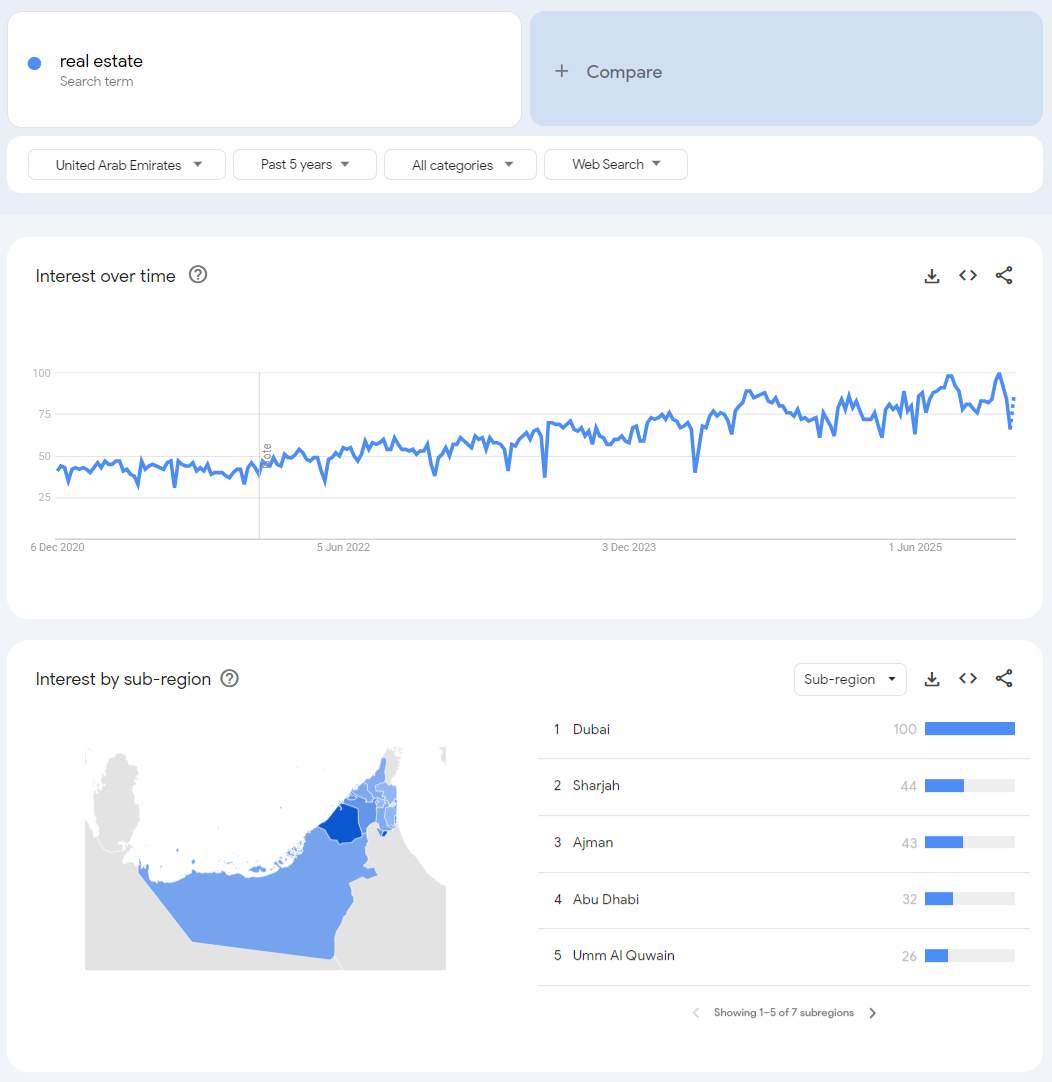
Now set the filters for:
- Time range (e.g., last 12 months)
- Search type (Web search, Image search, News search, etc.)
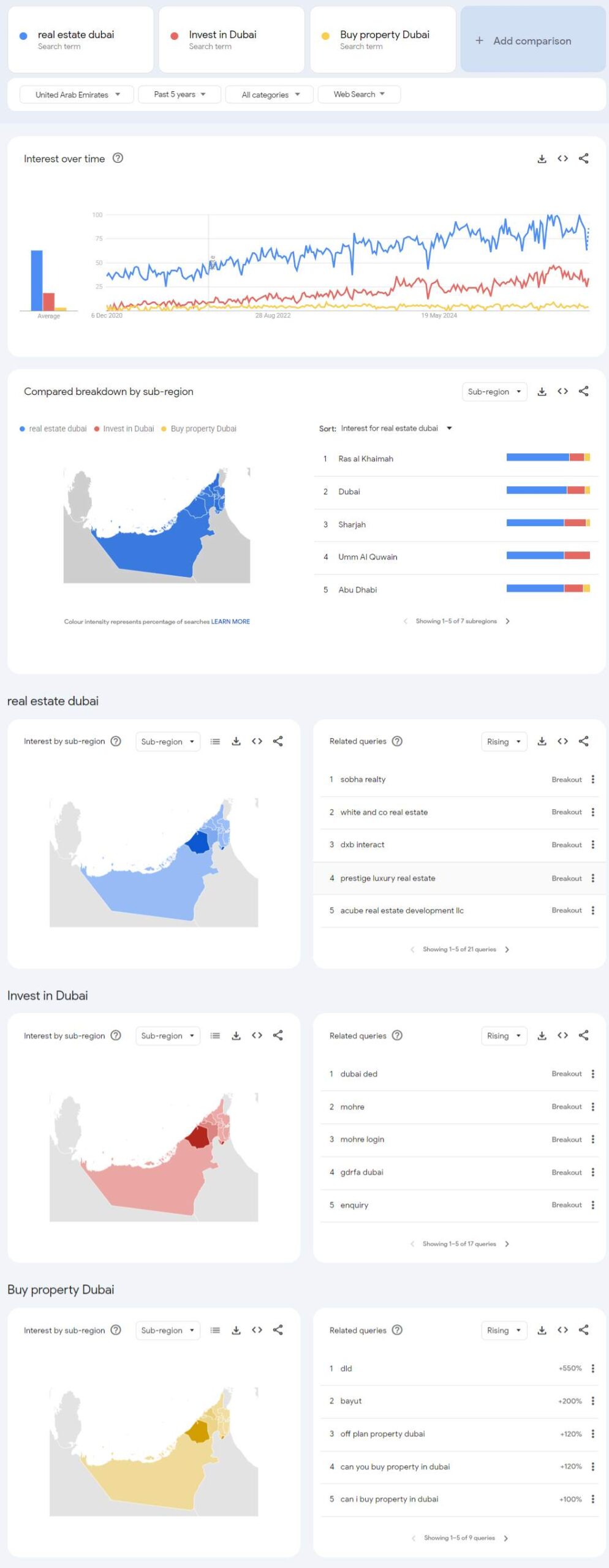
With an incredible technological feat, the graph will update on its own, showing you the trend of your fame. You can even hover your mouse over it to see the exact numbers for that period and feel like a true data analyst.
How to read these very complicated numbers:
- 100 = means that for one glorious moment you were at the peak of popularity (in that graph).
- 0 = means that Google didn’t care enough about you to register you.
Remember, these are relative numbers, not absolute ones. They serve to give you the illusion of understanding your brand’s trend and to notice if that multi-thousand euro campaign generated at least a small peak of curiosity.
If you really want to do the math: if you have 5 million searches a month and your competitors combined have… well, many fewer, your share of search will be an enviable 48%. Simple, right?
How to increase your share of search
The idea is shocking: to get people to search for you more, you have to give them a reason to remember you exist. You have to appear where they already are and not make the experience a nightmare. Here are some brilliant tips.
1. Infiltrate others’ conversations
Are your competitors already mentioned in articles, reviews, and rankings? Of course, they are. And if you’re not there, you’re practically invisible right when people are about to decide who to pay.
The solution is a bit of healthy espionage: find out where they talk about them (blogs, forums, industry publications) using clever tools like Awario (or your own hands, if you have time to waste). Once you find the right articles, contact the authors and suggest, with the utmost modesty, that they also include your brand as a valid alternative. The goal is simple: if they’re at the party, you need to crash it too.
2. Launch campaigns that aren’t boring
One of the fastest ways to get people to search for you is to give them a valid reason to do so, besides desperation. Memorable campaigns, smart PR, or absurd collaborations work wonders.
Think of the viral Duolingo campaign “The Death of the Owl” from 2025. It was bizarre, everyone was talking about it, and consequently, searches for “Duolingo” exploded. The moral of the story: sometimes, a little drama helps business.
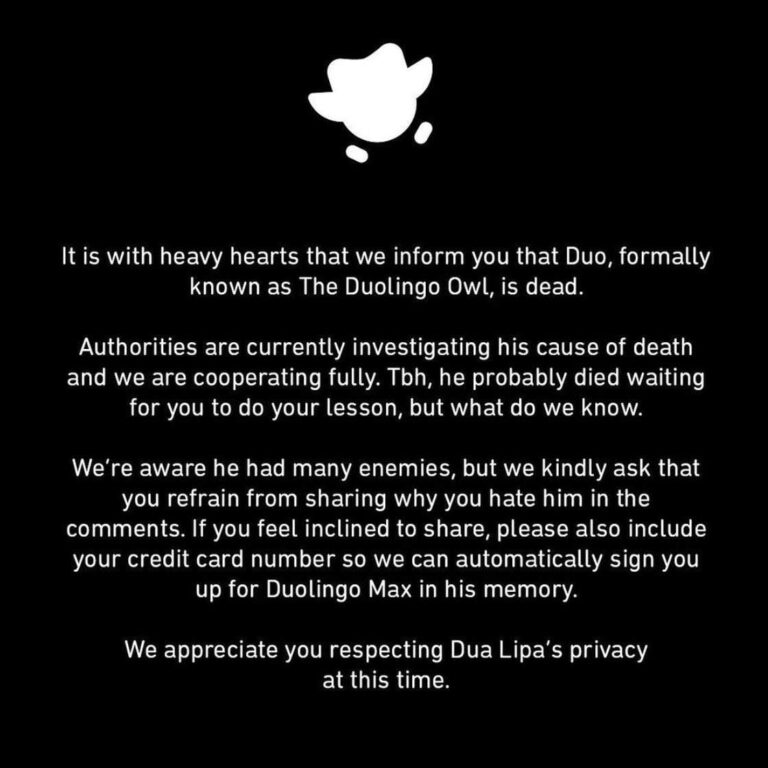
The lesson to take home is disarmingly simple: create something memorable. Anything that makes people laugh, argue, or even get angry will pay you back in Google searches. The important thing is that they don’t ignore you.
3. Dominate your neighborhood (Local SEO)
If your empire is limited to a city or a region, local SEO is your not-so-secret weapon to get noticed. The customer lifecycle is almost touching in its predictability: first, they search for “best pizza in [your city’s name]”, then they find you on Google Maps, and if the pizza wasn’t terrible, the next time they’ll search for your name directly. A small step for them, a giant leap for your local share of search.
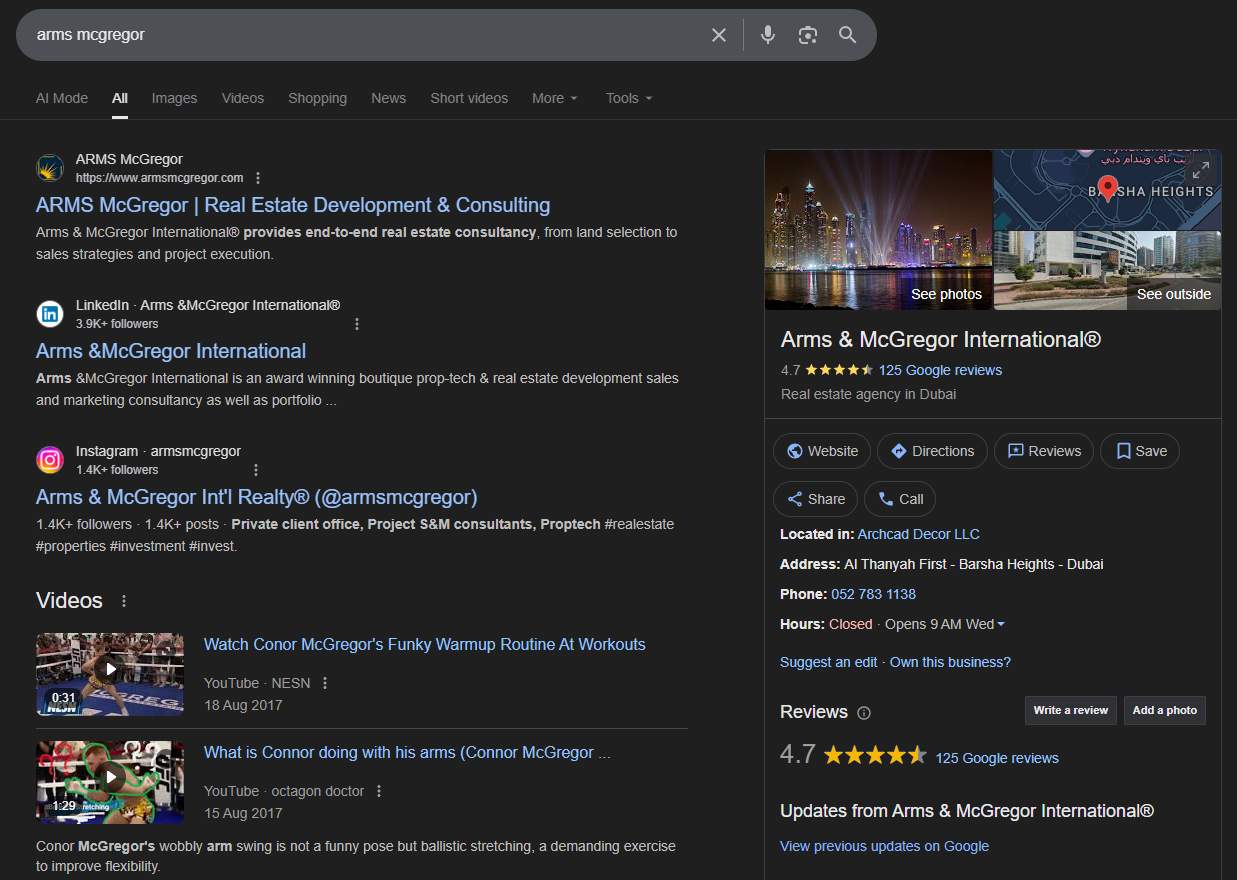
That second search is key. It means you’ve gone from being just one of many options to being the option they remember. Updating your Google Business Profile, keeping your data consistent across all directories, and encouraging reviews are small steps that lead to big increases in brand demand.
4. Create content that leads to branded searches
Not all brand searches begin with brand awareness. Often, people start with generic queries like “best SEO software for small businesses” or “project management tool for freelancers.” If your content provides a helpful and reliable answer, you’ve planted the seed.
5. Make sure finding you is worthwhile
After all the effort to get people to search for you, the last mile is the most important. If a potential customer searches for you by name, it’s a small miracle. Return the favor with a results page that doesn’t look like a dead end.
The average user doesn’t have the patience of an archaeologist: if they search for “[your brand] prices,” they don’t want to dig through your site starting from the homepage. If they type “[your brand] reviews,” they want proof that someone else trusted you and survived.
Take a look at Search Console to understand which pages Google is showing for your “branded” searches. You might find that for the query “customer support,” Google is linking to your CEO’s biography. And that wouldn’t be fun.
In short, check if what Google shows makes logical sense. Matching what people are looking for with what they actually find is the magic trick to turn curiosity about your brand into money. Who would have thought?
6. Buy some attention by sponsoring events
Events – conferences, local fairs, boring webinars – are a great way to make your brand seem more important than it is. Sponsoring or speaking at the right event isn’t just about sticking your logo on a banner (although that’s fun), but about getting your name into the heads of an audience that is hopefully too tired to leave.
Think about it: after hearing your name for the eighth time during a panel, what do you expect a participant to do? They either fall asleep or Google you to figure out who the hell you are. The buzz generated by an event almost always turns into a small, measurable spike in searches.
7. Pay someone famous to speak well of you (aka Influencer Marketing)
Influencers are the modern shortcut to popularity. Why? Because their advice seems “authentic” and not at all forced (cough cough). When a person your followers blindly trust “casually” mentions your brand in a video, curiosity skyrockets.
And so, people who were living perfectly fine without you a minute ago rush to Google to search for your name. And we’re not talking about small change. The impact can be nothing short of titanic.
Of course, not everyone can hire Beyoncé, but let’s take her as an extreme example. When she partnered with Adidas, searches for the brand increased fivefold in a month, according to Lyst.
Brands with the biggest increase in search traffic last month
Increase in online search volume, 30 days to 7 May 2019
220%
105%
50%
32%
26%
23%
The moral of the story: if you can’t have Beyoncé, at least find someone your customers listen to more than you.
This is to say that a single mention from the right person is enough to unleash chaos (in a good way). And don’t worry, you don’t always need a superstar: even a mid-sized influencer with a loyal audience can make your brand’s searches skyrocket overnight, making you believe for a moment that you’ve become famous.
Final thoughts (or: don’t take it too seriously)
Alright, now that you’re all hyped up, a bit of healthy realism. Share of search is a nice little number, but it’s not the gospel. The data can be a mess: your brand name might also be a common word (good luck with that!), the searches might just be angry customers looking for support, or a random viral event could have thrown everything off. Small brands struggle to generate significant data, while large ones drown in the confusion of different products and countries. Oh, and the tools you use to measure all this? They’re not perfect. So, before you get your share of search tattooed on your arm, maybe compare the data with something else.
And yet, with all its flaws, share of search remains one of the few decent methods for peeking into consumers’ minds on a large scale. If you use it alongside other metrics (like website traffic, social media mentions, and, let’s not forget, actual sales), it can give you an idea not only of where you are now, but also of where you’re headed.
“`